European EV Health Atelier

Know the battery before you buy the EV.

When you're shopping for a pre-owned electric vehicle in Europe, looking at tyre tread and body panels only scratches the surface. The traction pack is the vehicle's heart, primary asset, and single biggest potential liability. We unpack how battery diagnostics, real State of Health readings, and usage profiles tell the true story of any used EV.

HV BUS VOLTAGE BALANCED
European Diagnostic Baseline: Multi-Module Assessment Flow
Transparent Diagnostics

The used EV market is growing up fast.

Cross-border EV sales across Germany, the Netherlands, France, and Scandinavia are moving quickly. But an odometer reading won't reveal how many times a car was DC fast-charged to 100% in midsummer, or whether its battery management system (BMS) is nursing tired cells. We help drivers, buyers, and mobility enthusiasts read the data with clarity.

Core Diagnostic Guides

Everything you need to evaluate an EV battery pack

Five practical areas that separate a confident electric purchase from a costly leap of faith.

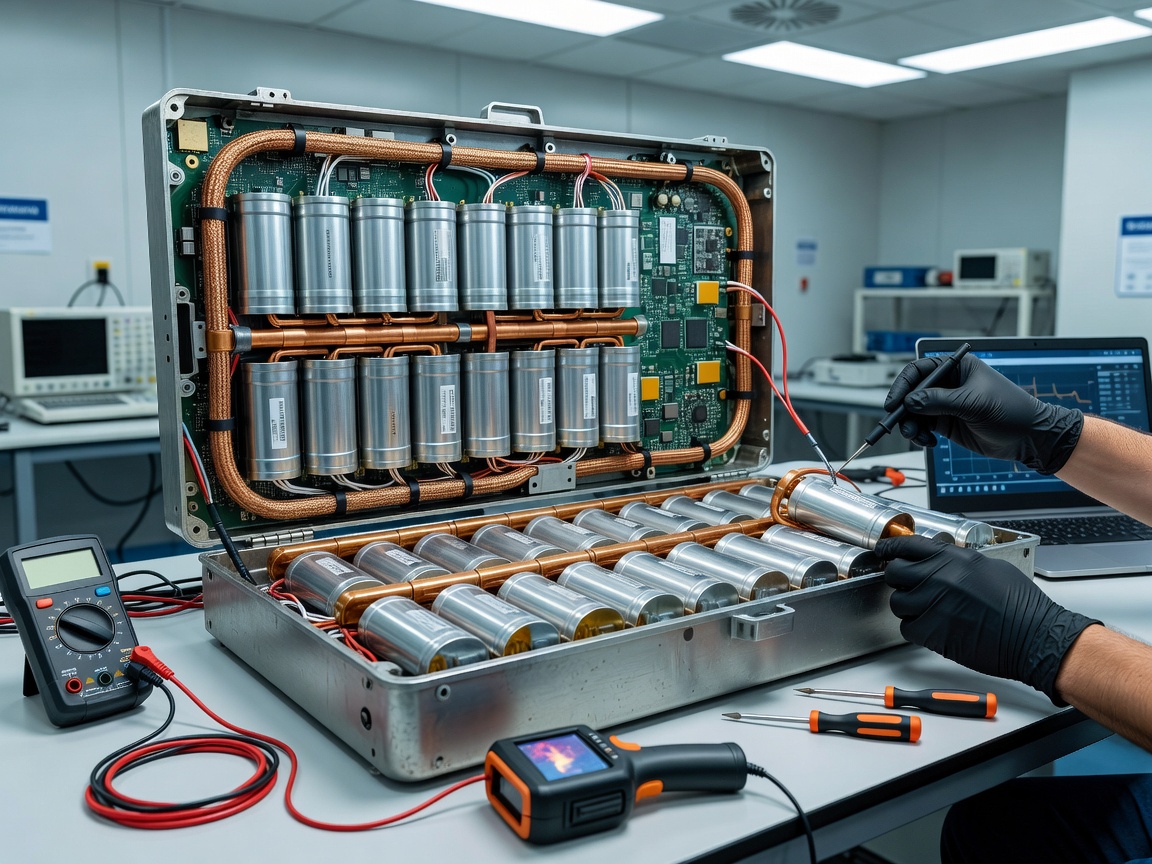
High voltage lithium battery pack opened during laboratory diagnostic inspection
Module 01

Used EV Battery Health

How calendar aging, climate differences across Europe, and operational load wear down electrochemical cells over time. Learn what genuine condition entails beyond odometer miles.

Explore Battery Health →
Digital diagnostic monitor displaying State of Health curves and battery cell metrics
Module 02

Battery State of Health

SOH isn't State of Charge. Discover how algorithms calculate remaining capacity, why one static figure can deceive you, and how to interpret BMS estimates pragmatically.

Understand SOH →
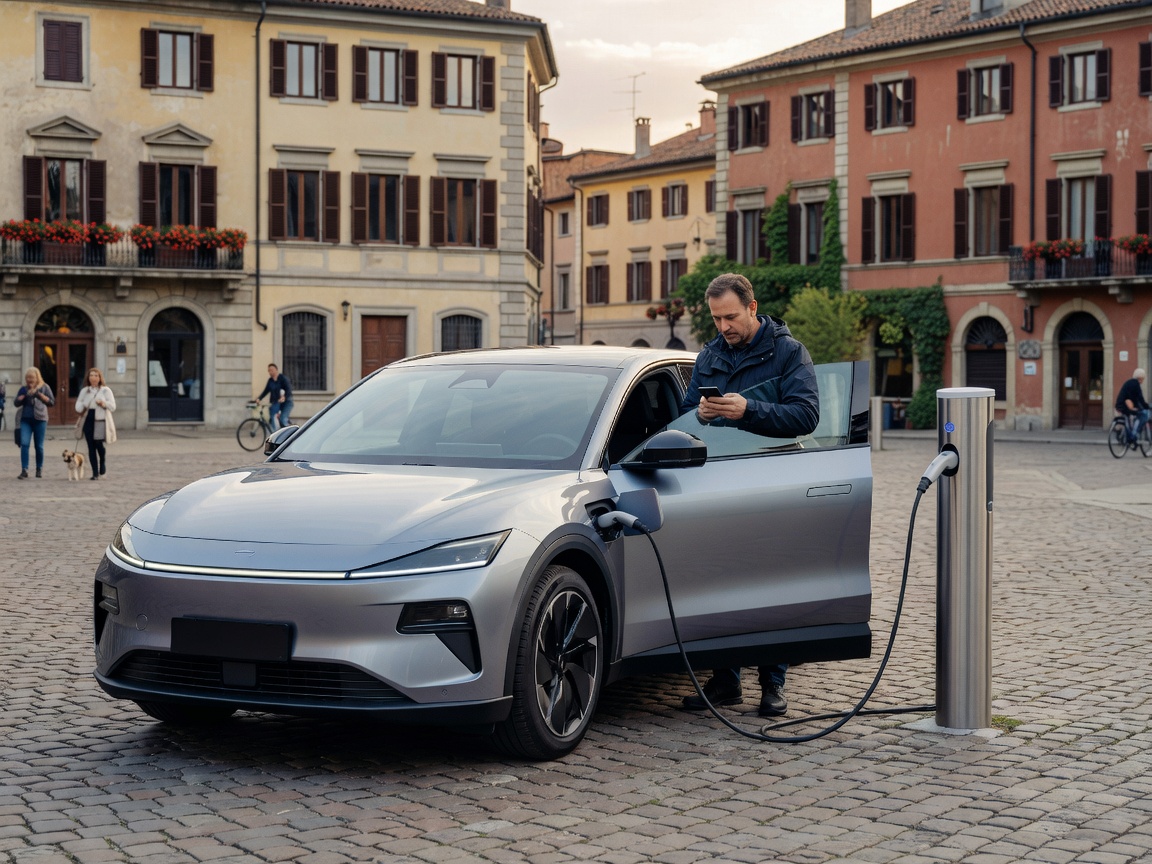
Electric vehicle parked at a European charging plaza while driver checks mobile battery telematics
Module 05

Used EV Buying Guide

A field-tested checklist for negotiations. What specific questions should you ask dealerships? How do you test AC and DC charging during a test drive?

View Buying Guide →
Holistic Evaluation

The battery is part of the car's story.

It is tempting to look for a neat, single number—like "94% SOH"—and assume your homework is done. But an EV's energy storage system is living chemistry influenced by everyday European life.

A five-year-old vehicle commuted gently on rural Dutch motorways and plugged into an 11 kW wallbox overnight has a vastly different chemical footprint than an identical model that lived as an urban ride-hail vehicle in Madrid, subjected to multiple fast-charge sessions every scorching afternoon.

To make a confident buying decision, evaluate the battery in harmony with:

  • Vehicle Age & Calender Rest Lithium cells degrade slightly simply by existing, especially when stored at high states of charge in warm climates.
  • Charging Rhythm & C-Rates A healthy diet of alternating current (AC) slow charging yields far gentler mechanical stress on anodes than continuous ultra-fast DC.
  • BMS Software Revisions Did the vehicle receive essential thermal management firmware updates during official dealership recall visits?
  • Manufacturer Warranty Integrity Are the remaining years and kilometres of the original high-voltage guarantee intact, or were they voided by unapproved modifications?

The Atelier Assessment Principle

"Check the baseline, understand the chemistry, compare against the cohort, and decide with eyes wide open."

1 Check Telematics
2 Understand History
3 Compare Cell Delta
4 Decide Safely